Arthroscopy in Animals: A Look Inside the Joint
5. August 2025
Successful Training: Marie Expands Her Qualifications in Small Animal Anesthesia
16. March 2026Arthroscopy in Animals: A Look Inside the Joint
5. August 2025Successful Training: Marie Expands Her Qualifications in Small Animal Anesthesia
16. March 2026Animal neurology: What you should know
When the nervous system gets out of balance
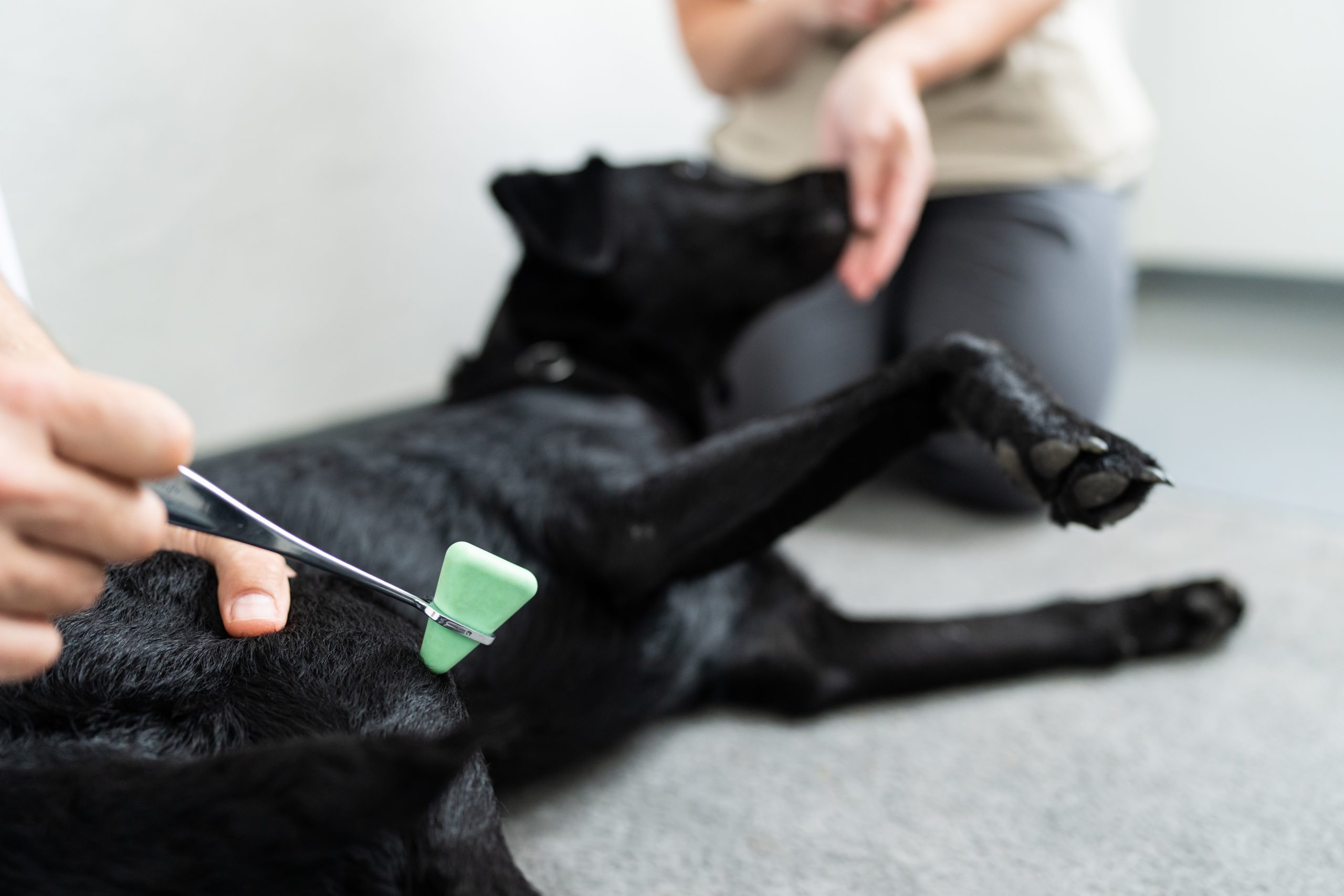
Neurology is a specialty within veterinary medicine that deals with diseases of the nervous system—i.e., the brain, spinal cord, peripheral nerves, and muscles. Neurological disorders can be congenital, occur with age, or be caused by injuries, inflammation, or tumors. Affected animals often show noticeable movement disorders, pain, or sudden changes in behavior.
But what exactly does this mean for your pet? And how can you tell whether there is a neurological problem?
Common neurological diseases in animals
Neurological symptoms can look different depending on which structures in the nervous system are affected. The most common conditions include:
-
Epilepsy & seizures
-
Herniated discs (disc disease)
-
Paralysis & gait disorders
-
Spinal cord injuries & nerve inflammation
-
Coordination problems, tremors, behavioral disorders
When should your pet see a neurologist?
You should not hesitate to have a veterinary neurological assessment carried out if one or more of these signs occur:
-
Unsteady gait or sudden collapsing
-
Seizures, tremors, or uncontrolled movements
-
Changed behavior (e.g., sudden aggression, disorientation)
-
Loss of visual, hearing, or touch responses
-
Sensitivity or pain responses in the back or neck area
The earlier the cause is identified, the better the chances of successful treatment.
Neurosurgery: When surgery is necessary
Some neurological conditions cannot be treated with medication alone. In such cases, a surgical procedure may be necessary, e.g., for:
-
Herniated discs with paralysis or severe pain
-
Brain tumors or hydrocephalus (water on the brain)
The aim of neurosurgery is to address the cause directly, relieve pain, and restore your pet’s mobility. Thanks to modern imaging and minimally invasive techniques, these procedures are now significantly more precise and safer than in the past.
Rehabilitation after neurological surgery
After surgery, your pet often needs targeted support to become fully fit again. Neurological aftercare includes:
-
Physiotherapy & muscle building
→ Promotes mobility and helps return to normal function -
Pain reduction
→ Targeted measures relieve discomfort and improve quality of life -
Individualized care
→ Every animal is different; therapy is tailored to findings, breed, age, and progress
A structured rehab plan can significantly improve the healing process.
Conclusion: Recognize neurological problems and act quickly
Diseases of the nervous system in dogs or cats can be frightening, but with the right diagnostics, targeted therapy, and modern veterinary support, the outlook is often good.
If your pet suddenly becomes unsteady, is prone to seizures, or shows signs of pain, you should not hesitate. Our specialized team is here to support you—from diagnosis and surgery through to aftercare.