Herniated disc in dogs – causes, symptoms & treatment
29. July 2025
Lameness or Paralysis in Dogs
30. July 2025Herniated disc in dogs – causes, symptoms & treatment
29. July 2025Lameness or Paralysis in Dogs
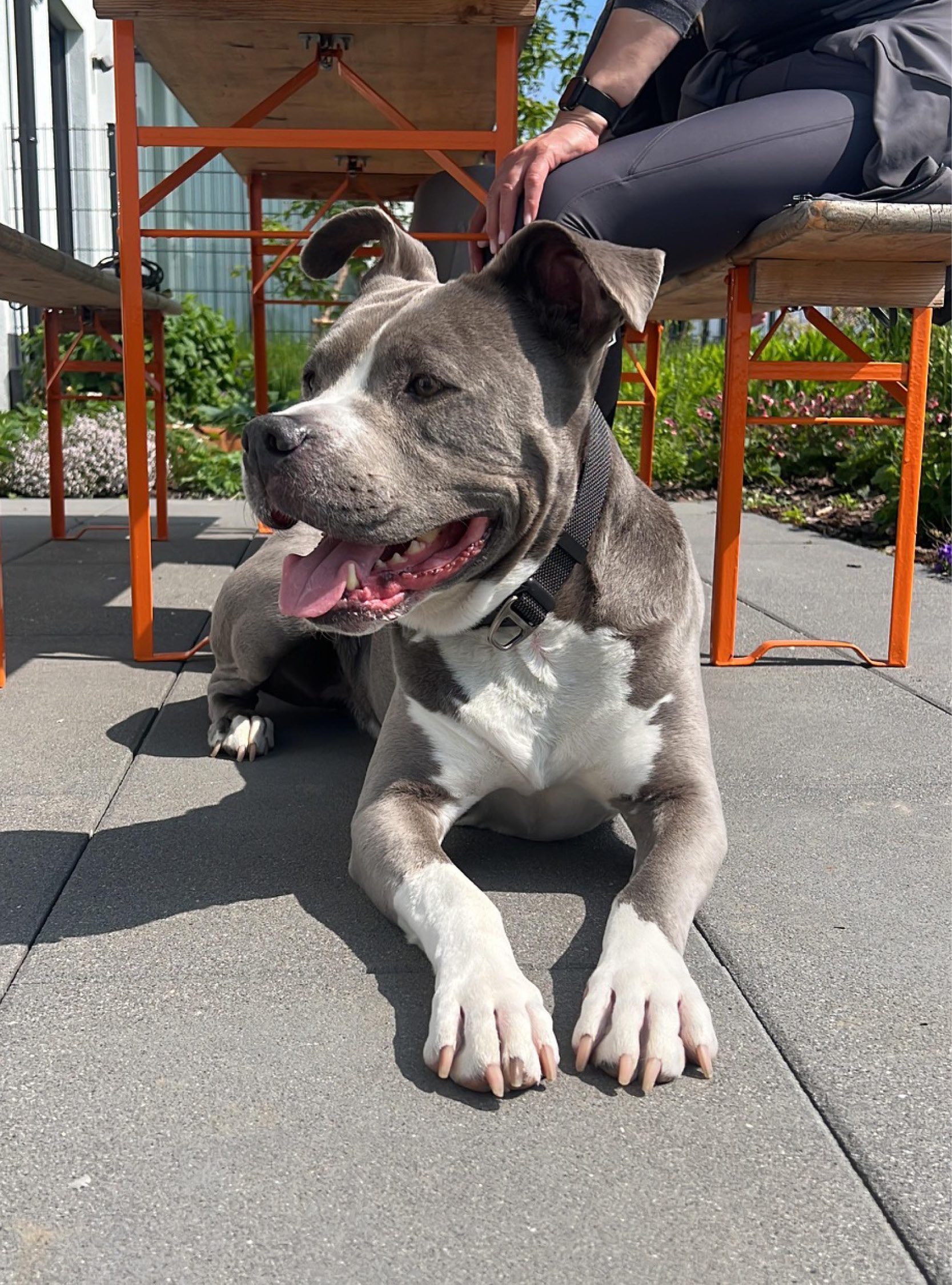
30. July 2025Erwin’s path to diagnosis and treatment
How a swelling became a serious diagnosis—and what we were able to do for Erwin.
An unusual swelling on the lower jaw
In February 2025, Erwin presented to our clinic with a suddenly occurring swelling in the lower jaw area. The initial clinical examination and an ultrasound scan showed that it was a pus-filled lesion—an indication of a bacterial inflammation. To relieve the pressure, the swelling was aspirated, and Erwin received medical treatment.
Initial improvement, but not lasting
Treatment with antibiotics, pain medication, and anti-inflammatory drugs initially showed an effect: the swelling decreased significantly. However, the improvement was only temporary. After a short time, Erwin’s general condition worsened again, and the swelling increased once more.
Further diagnostics provide new clues
Due to the relapse, we decided to carry out further diagnostics. The blood test revealed an elevated calcium level, a possible indication of an underlying systemic disease. To obtain more detailed information, a CT scan of the head was performed.
The images showed severely enlarged, fluid-filled lymph nodes in the lower jaw area. These were removed surgically and sent to the laboratory for further clarification.
The diagnosis: T-cell lymphoma
While we waited for the results of the pathological and microbiological examinations, Erwin’s condition deteriorated increasingly. Additional lymph nodes began to swell, and his general condition worsened.
Then the final diagnosis came: a malignant tumor—more precisely, a T-cell lymphoma, an aggressive form of lymph node cancer in dogs.
Individualized therapy with success
After the diagnosis, Erwin was transferred to the care of a specialized oncologist. Together, an individually tailored chemotherapy regimen was initiated, specifically adapted to his condition.
After around three weeks, a noticeable improvement became apparent. Erwin was eating with appetite again, was more active, and overall appeared significantly more stable.
A strong team for a better quality of life
Thanks to modern imaging, targeted diagnostics, rapid surgical intervention, and closely coordinated oncological therapy, we were able to help Erwin. Particularly important was the close collaboration of everyone involved—from the initial diagnostics and laboratory evaluation to specialized treatment.
Dear Erwin, we are very happy that you are on the road to recovery. A huge thank-you to your family for their trust.